Dissolving Foundations: How Falling Ocean pH Is Undermining Shell-Building Life Across US Coastal Waters
The ocean has always been a place of transformation. Carbon moves between atmosphere and water, organisms build and dissolve, and chemistry shifts across seasons and centuries. But the pace of change now unfolding in US coastal waters is unlike anything documented in the modern scientific record. Since the Industrial Revolution, the world's oceans have absorbed roughly a third of all anthropogenic carbon dioxide emissions—a process that generates carbonic acid and drives seawater pH steadily downward. For the organisms that construct their bodies from calcium carbonate, this chemical shift is not an abstraction. It is an existential pressure applied daily, at the molecular level, to some of the most ecologically important creatures in American fisheries.
The Chemistry Behind the Crisis
Ocean acidification is not simply a matter of water becoming more acidic in some vague, general sense. The mechanism is specific and consequential. When carbon dioxide dissolves in seawater, it reacts with water molecules to produce carbonic acid, which then dissociates into bicarbonate and hydrogen ions. The surplus of hydrogen ions reduces the availability of carbonate ions—the very building blocks that calcifying organisms use to construct shells, exoskeletons, and coral skeletons. This reduction in carbonate saturation is what makes acidification so threatening to a broad suite of marine life.
The current global ocean pH of approximately 8.1 represents a drop of about 0.1 units from pre-industrial levels—a figure that sounds modest until one accounts for the logarithmic nature of the pH scale. In practical terms, that shift corresponds to roughly a 26 percent increase in ocean acidity. Projections under high-emissions scenarios suggest a further decline of 0.3 to 0.4 units by 2100, conditions that have not existed in the ocean for at least 20 million years.
Regional Frontlines: Not All US Waters Are Equal
One of the most scientifically significant—and underappreciated—dimensions of ocean acidification is its geographic unevenness. US coastal zones are not experiencing this chemical transition at the same rate or intensity, and those differences carry profound implications for local fisheries and ecosystems.
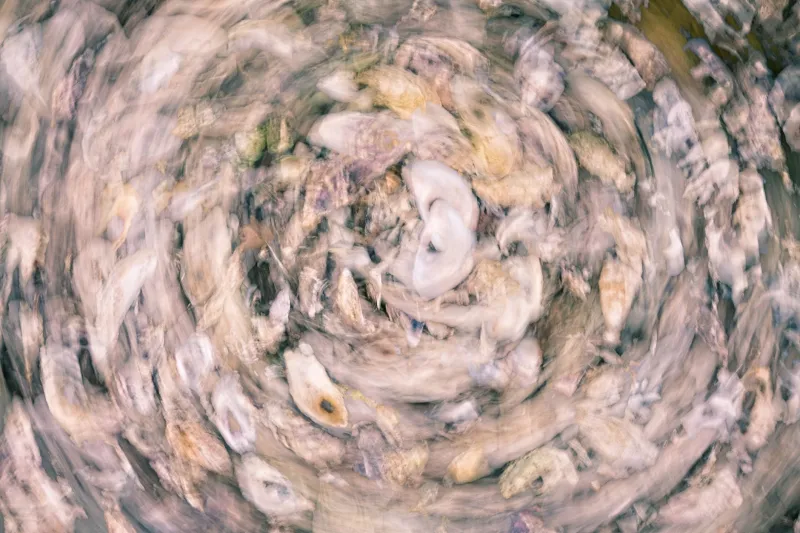
The Pacific Coast is widely regarded as the most acutely affected region in the continental United States. Cold, nutrient-rich waters naturally carry higher concentrations of dissolved carbon dioxide, and upwelling systems along the California Current regularly bring deep, already-corrosive water to the surface. This phenomenon was brought into sharp relief in the mid-2000s, when oyster hatcheries in Oregon and Washington began reporting catastrophic larval die-offs. Subsequent research confirmed that upwelled water with pH levels well below the regional average was dissolving the shells of oyster larvae before they could develop the biological resilience to survive. The Pacific oyster industry lost tens of millions of dollars before hatcheries began installing monitoring systems and adjusting water intake timing to avoid the worst upwelling events.
The Gulf of Maine, meanwhile, presents a different but equally concerning picture. Already warming faster than nearly any other ocean body on Earth, the Gulf is experiencing acidification compounded by freshwater influx from melting ice and increased river runoff—both of which further reduce carbonate saturation. Researchers at the Gulf of Maine Research Institute have documented pH variability that places certain nearshore zones in particularly vulnerable territory, with implications for the region's economically critical lobster and sea urchin industries.
The Gulf of Mexico and South Atlantic coastal zones face a somewhat different trajectory. Warmer waters hold less dissolved CO₂ and tend to be less immediately corrosive, but they are not immune. Seasonal hypoxic events and nutrient pollution interact with acidification in ways that researchers are still working to fully characterize, potentially amplifying stress on calcifying organisms beyond what either factor would produce in isolation.
Pteropods: The Canary in the Carbonate Mine
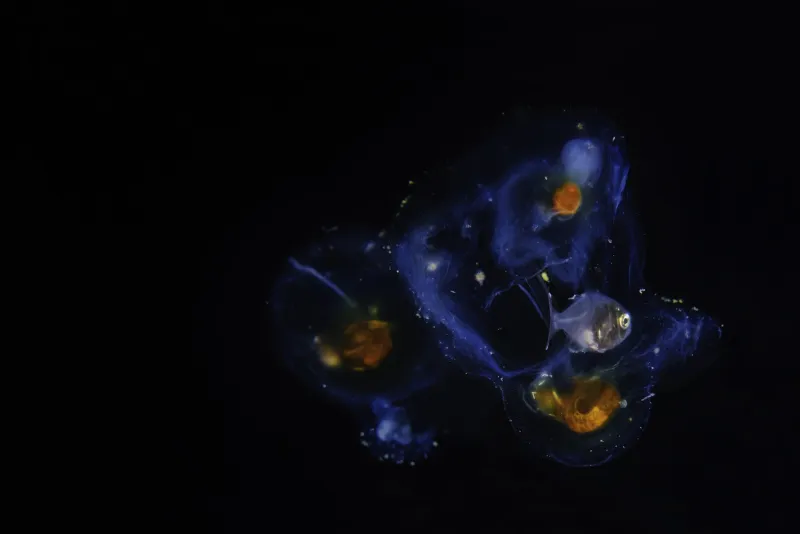
Among the calcifying organisms drawing the most scientific attention in US waters, pteropods occupy a particularly instructive position. These free-swimming sea snails—sometimes called sea butterflies for their wing-like appendages—are abundant in cold, high-latitude waters and form a critical dietary component for Pacific salmon, herring, and several species of commercially important groundfish. Their shells are composed of aragonite, the most soluble form of calcium carbonate, making them exceptionally sensitive to even modest pH declines.
Surveys conducted by NOAA researchers along the US West Coast have documented pteropods with visibly dissolving shells in waters that have already crossed key aragonite saturation thresholds. Laboratory studies corroborate field observations: exposure to near-future projected pH levels reduces pteropod shell integrity, impairs locomotion, and increases mortality rates. Because these organisms sit at a mid-trophic position in the food web, their decline carries amplified consequences. Fewer pteropods means reduced prey availability for juvenile salmon and adult herring—a cascade that ultimately reaches commercial fishing operations and the coastal communities that depend on them.
Oysters, Clams, and the Shellfish Industry Under Pressure
The economic stakes of acidification extend well beyond ecological concern. The US shellfish aquaculture industry generates over $200 million annually, with Pacific oysters, clams, mussels, and scallops forming the backbone of operations from Maine to Washington State. Larval stages of these species are disproportionately vulnerable because they must construct their first shell structures rapidly and with limited energy reserves—a task that becomes increasingly difficult as carbonate availability declines.
Research from the Woods Hole Oceanographic Institution and partner institutions has shown that even modest pH reductions can significantly reduce calcification rates in bay scallop larvae, a species of considerable economic importance to New England shellfishermen. Hard clams, another commercially vital species in Mid-Atlantic waters, exhibit reduced growth and survival under acidified conditions in controlled experiments, raising questions about long-term stock viability in regions where pH decline is projected to accelerate.
The Fish Connection: Indirect but Inescapable
Finfish are not immune to acidification's reach, even though their physiology grants them more direct regulatory control over internal chemistry than shell-building invertebrates possess. The more consequential threat to fish populations may be indirect: as pteropods, bivalve larvae, and other calcifying prey organisms decline, the dietary foundations of many commercially important species erode. Juvenile cod in the Gulf of Maine, for instance, rely heavily on copepods and small invertebrates whose own populations may be affected by acidification-driven shifts in plankton community composition.
Some direct effects on fish have also been documented. Elevated CO₂ levels have been shown to impair olfactory function in certain reef fish species, interfering with predator avoidance and habitat-finding behaviors. While most such studies have focused on tropical species, the implications for temperate and boreal fish populations in US waters warrant ongoing investigation.
Listening to the Science, Shaping the Response
The scientific community has made substantial progress in characterizing the scope and mechanisms of ocean acidification over the past two decades. Federal monitoring networks, including NOAA's Ocean Acidification Program, have expanded the observational infrastructure needed to track pH trends across US coastal zones. Yet the translation of that science into fisheries management policy remains incomplete.
Current stock assessment models rarely incorporate acidification projections as a variable affecting recruitment or prey availability. Management frameworks built around historical baseline conditions are poorly equipped to anticipate the kind of structural reorganization that sustained carbonate depletion may produce. Researchers and conservation advocates are increasingly calling for the integration of acidification data into fisheries management decisions—not as a future consideration, but as an immediate operational reality.
The organisms dissolving at the base of America's marine food webs cannot wait for policy to catch up with chemistry. The question confronting marine scientists and managers alike is not whether acidification will reshape US coastal ecosystems, but how quickly those responsible for stewarding those ecosystems will recognize the magnitude of what is already underway.